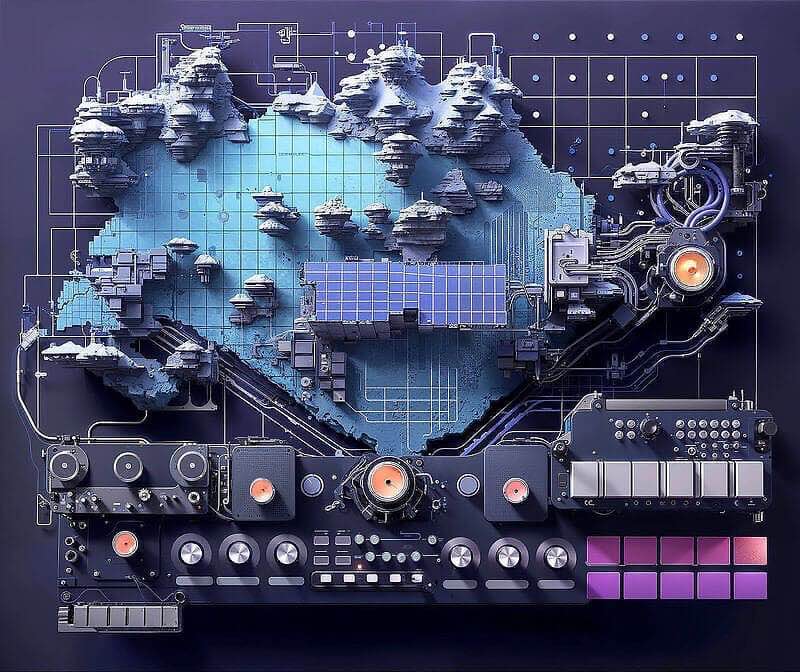


Aesthetic of Cyberspace and The Intimacy of the Interface
Drawing upon the aesthetic possibilities of digital media, the
project explores the unique spatial-temporal experiences that a
digital interface can offer. The use of a desktop simulation
creates an intimate cognitive space that reflects the viewer's
mental activities and habits. This project, therefore, delves
into the concept of a computer desktop as a cognitive map - a
spatial representation of one's mental activities. It reflects
on how the aesthetics of cyberspace can be used to create
intimate, immersive experiences that blend the boundaries
between the virtual and physical, between the external and
internal.
References: Manovich, Lev. Examine his theories on the aesthetics of digital forms and "information space." Manovich discusses how digital environments redefine our concept of space and representation, which may offer valuable insights for the project.
References: Manovich, Lev. Examine his theories on the aesthetics of digital forms and "information space." Manovich discusses how digital environments redefine our concept of space and representation, which may offer valuable insights for the project.
Symbolism in the User Interface
References: McEvilley, Thomas. "Ancient Greek and Egyptian
Influences on Modern Art and Architecture.” Kruger's postmodern
art, blending ancient language elements and imagery.
Blending cuneiform and hieroglyphic symbols into digital platforms
merges ancient and modern communication, adding aesthetic value
and highlighting the extensive history of human expression. These
symbols create a continuity between past and present, underscoring
the link between early writing and today's digital communication.
This integration prompts reflection on language evolution and
technology's impact on communication, past and present.
Symbolism in the User Interface
References: McEvilley, Thomas. "Ancient Greek and Egyptian
Influences on Modern Art and Architecture.” Kruger's postmodern
art, blending ancient language elements and imagery.
Blending cuneiform and hieroglyphic symbols into digital platforms
merges ancient and modern communication, adding aesthetic value
and highlighting the extensive history of human expression. These
symbols create a continuity between past and present, underscoring
the link between early writing and today's digital communication.
This integration prompts reflection on language evolution and
technology's impact on communication, past and present.
Symbolism in the User Interface
References: McEvilley, Thomas. "Ancient Greek and Egyptian
Influences on Modern Art and Architecture.” Kruger's postmodern
art, blending ancient language elements and imagery.
Blending cuneiform and hieroglyphic symbols into digital platforms
merges ancient and modern communication, adding aesthetic value
and highlighting the extensive history of human expression. These
symbols create a continuity between past and present, underscoring
the link between early writing and today's digital communication.
This integration prompts reflection on language evolution and
technology's impact on communication, past and present.